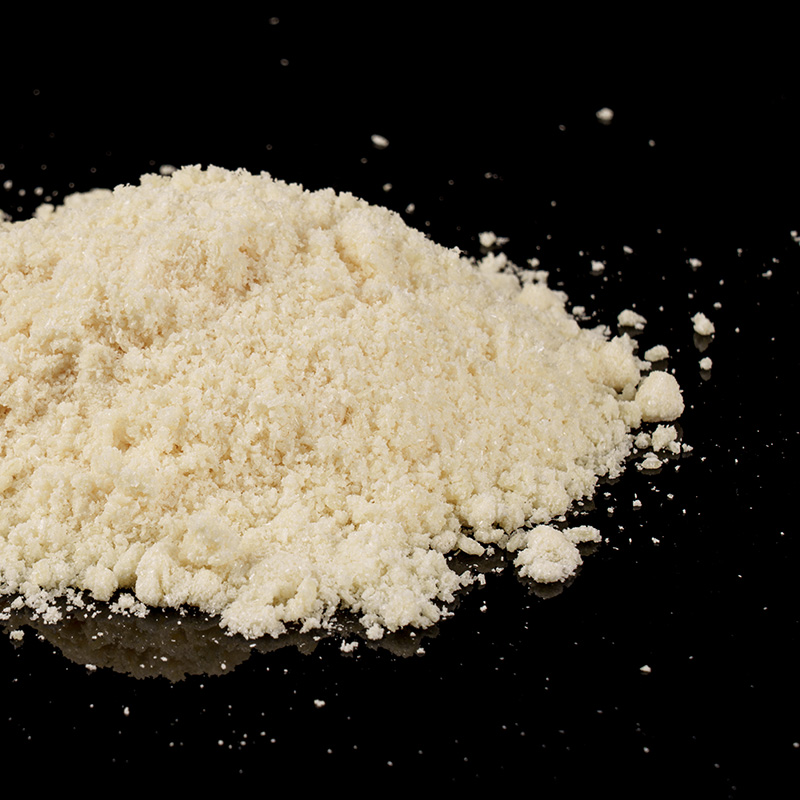
Stupeň čistoty kyselina 2,5-furandikarboxylová (FDCA) má priamy a merateľný vplyv na kinetiku polymerizácie pri výrobe polyetylénfuranoátu (PEF). Dokonca aj nečistoty na stopovej úrovni v koncentráciách tak nízkych ako 50 – 100 ppm môžu výrazne spomaliť rýchlosť polykondenzácie, potlačiť tvorbu molekulovej hmotnosti a spôsobiť nežiaduce zafarbenie v konečnom produkte PEF. Stručne povedané, FDCA s vyššou čistotou konzistentne poskytuje rýchlejšiu polymerizáciu, vyššiu vnútornú viskozitu a lepší výkon PEF. Presné pochopenie toho, ako a prečo sa to deje, je rozhodujúce pre každého, kto získava alebo spracováva FDCA v priemyselnom meradle.
Prečo je čistota FDCA kritickou premennou procesu
FDCA je monomér dvojsýtnej kyseliny na biologickej báze, ktorý sa používa na výrobu PEF prostredníctvom esterifikácie a tavnej polykondenzácie s etylénglykolom (EG). Na rozdiel od kyseliny tereftalovej (TPA), ktorá ťaží z desaťročí ultra rafinovanej výrobnej infraštruktúry, sa FDCA typicky syntetizuje prostredníctvom katalytickej oxidácie hydroxymetylfurfuralu (HMF). Tento spôsob zavádza celý rad potenciálnych nečistôt, ktoré nevznikajú pri výrobe TPA.
Medzi najčastejšie pozorované nečistoty v komerčnej FDCA patria:
- Zvyškový HMF a kyselina 5-hydroxymetyl-2-furánkarboxylová (HMFCA)
- Kyselina 2-furoová (vedľajší produkt kyseliny monokarboxylovej)
- Kyselina 5-formyl-2-furánkarboxylová (FFCA)
- Zvyškové katalytické kovy (napr. Mn, Co, Br z oxidačných katalyzátorov)
- Farebné oligomérne vedľajšie produkty a degradačné zlúčeniny humínového typu
Každá z týchto tried nečistôt interaguje s polykondenzačným systémom odlišne, ale všetky v rôznej miere negatívne ovplyvňujú kinetiku.
Ako špecifické nečistoty narúšajú kinetiku polymerizácie
Monofunkčné kyseliny ako zarážky reťaze
Kyselina 2-furoová, nečistota monokarboxylovej kyseliny, pôsobí počas polykondenzácie ako prerušovač reťazca. Pretože nesie iba jednu reaktívnu karboxylovú skupinu, uzatvára rastúce polymérne reťazce a zabraňuje ďalšiemu predlžovaniu. Aj pri koncentráciách 0,1 mol% môžu monofunkčné nečistoty znížiť priemernú číselnú molekulovú hmotnosť (Mn) PEF o 15–25% , ako predpovedá Carothersova rovnica pre účinky stechiometrickej nerovnováhy. Výsledkom je polymér s horšími mechanickými vlastnosťami a nižšou vnútornou viskozitou (IV).
Aldehydové nečistoty a vedľajšie reakcie
FFCA (kyselina 5-formyl-2-furánkarboxylová) obsahuje skupinu karboxylovej kyseliny aj aldehydovú skupinu. Počas vysokoteplotnej polykondenzácie (zvyčajne 230–270 °C pre PEF) sa aldehydová funkčná skupina môže podieľať na vedľajších reakciách, vrátane disproporcionácie typu Cannizzaro a kondenzácie s koncovými hydroxylovými skupinami. Tieto reakcie spotrebúvajú reaktívne konce reťazcov a vytvárajú neprchavé vedľajšie produkty, ktoré zostávajú zabudované v polymérnej matrici, čo prispieva k zvýšeniu indexu žltnutia (YI) a širšej distribúcii molekulovej hmotnosti.
Reziduálne kovové katalyzátory
Stopové kovy z oxidačných katalyzátorov HMF - najmä druhy kobaltu (Co), mangánu (Mn) a brómu (Br) - môžu interferovať s katalyzátormi na báze antimónu alebo titánu používanými pri polykondenzácii PEF. Zvyšky Co a Mn môžu spôsobiť predčasné štiepenie reťazca alebo podporovať tepelnú degradáciu furánového kruhu pri zvýšených teplotách. Štúdie ukázali, že kontaminácia Co nad 5 ppm v FDCA môže znížiť rýchlostnú konštantu polykondenzácie až o 30 % pri použití Sb203 ako primárneho katalyzátora v dôsledku konkurenčnej otravy katalyzátorom.
Farebné vedľajšie produkty a optická kvalita
Oligoméry humínového typu vytvorené počas spracovania HMF majú chromoforický charakter. Hoci dramaticky nemenia kinetiku polymerizácie, sú začlenené do PEF matrice a vytvárajú žltkastý alebo hnedastý odtieň. Pre obalové aplikácie – primárny koncový trh PEF – je farba kritériom odmietnutia. PEF vyrobený z FDCA s indexom žltosti (YI) nad 3 na surovom monoméri je zvyčajne nevhodný na aplikácie v priehľadných fľašiach bez nápravy.
Porovnanie stupňa čistoty: Vplyv na kľúčové parametre PEF
Nižšie uvedená tabuľka sumarizuje, ako tri reprezentatívne stupne čistoty FDCA ovplyvňujú kľúčové parametre polymerizácie a produktu na základe publikovaných údajov z výskumu a priemyselného porovnávania:
Tabuľka 1. Vplyv stupňa čistoty FDCA na výsledky polymerizácie PEF | Parameter | Technická úroveň (~97 %) | Vysoká čistota (~99 %) | Kvalita polyméru (≥99,8 %) |
| Vnútorná viskozita (IV, dl/g) | 0,55 – 0,65 | 0,70 – 0,78 | 0,80 – 0,88 |
| Hmotnostná priemerná molekulová hmotnosť (Mw, kDa) | 30-45 | 50-65 | 70–90 |
| Čas polykondenzácie do cieľovej IV (min) | 180 – 240 | 120–160 | 90–120 |
| Index žltosti (YI) PEF | >10 | 4–8 | <3 |
| Vhodnosť pre fľaškový PEF | Nie | Okrajové | áno |
Porovnanie s polymerizáciou PET na báze TPA
Na kontextualizáciu citlivosti FDCA na čistotu je užitočné porovnať ju s dobre zavedeným systémom TPA/PET. Purifikovaný TPA (PTA) používaný pri komerčnej výrobe PET bežne dosahuje čistoty ≥99,95 % s 4-karboxybenzaldehydom (4-CBA) – primárnou nečistotou narušujúcou kinetiku – kontrolovanou pod 25 ppm. Tento benchmark bol dosiahnutý po desaťročiach zdokonaľovania procesov.
Naproti tomu súčasní komerční dodávatelia FDCA zvyčajne ponúkajú materiál polymérnej kvality s čistotou 99,5 – 99,8 %, s hladinami FFCA v rozmedzí od 50 do 300 ppm. To znamená, že aj dnes najlepšia dostupná FDCA je stále o jeden až dva rády menej čistá ako komerčná PTA v kritickej dimenzii aldehydovej nečistoty. Táto medzera priamo vysvetľuje, prečo sú polykondenzačné cykly PEF v súčasnosti o 20–40 % dlhšie ako ekvivalentné cykly PET za porovnateľných podmienok reaktora.
Okrem toho je TPA v podstate nerozpustný v EG pri teplote miestnosti, ale rozpúšťa sa za podmienok procesu predvídateľným spôsobom. FDCA vykazuje trochu odlišné správanie pri rozpúšťaní a nečistoty môžu zmeniť jej teplotu topenia (čistá FDCA sa topí pri ~342 °C) a profil rozpustnosti, čo vytvára nezrovnalosti v štádiu esterifikácie, ktoré spôsobujú následné kinetické problémy.
Praktické dôsledky pre výrobcov PEF
Pre priemyselných výrobcov PEF nie je výber stupňa čistoty FDCA len preferenciou kvality – priamo ovplyvňuje ekonomiku procesu, výkon a kvalifikáciu produktu. Zvážte nasledujúce praktické dôsledky:
- Produktivita reaktora: Použitie technickej FDCA (~ 97 %) môže vyžadovať o 50 – 100 % dlhšie doby zdržania polykondenzácie, aby sa priblížili k rovnakému cieľu IV ako FDCA polymérnej kvality, čo priamo znižuje ročnú kapacitu reaktora.
- Úpravy zaťaženia katalyzátora: Aby sa kompenzovala kinetická retardácia súvisiaca s nečistotami, výrobcovia môžu zvýšiť koncentráciu katalyzátora, čo predstavuje riziko zrýchlenia tepelnej degradácie a zvýšenia tvorby acetaldehydu – kritického problému pri kontakte s potravinami pre fľaše PEF.
- Možnosť polymerizácie v tuhom stave (SSP): PEF s nízkou IV z nečistej FDCA je ťažké upgradovať pomocou SSP kvôli vysokej Tg PEF (~86 °C), čo zužuje okno spracovania SSP v porovnaní s PET.
- Chyby špecifikácií a prepracovanie: Šarže vyrobené z FDCA s premenlivou čistotou budú vykazovať širšie rozloženie IV a farieb, čím sa zvýši miera odmietnutia kvality a náklady na prepracovanie.
Odporúčané špecifikácie čistoty FDCA podľa aplikácie
Na základe súčasných priemyselných skúseností a publikovaných vedeckých poznatkov o polyméroch sa pri získavaní FDCA na výrobu PEF odporúčajú nasledujúce referenčné hodnoty čistoty:
- Fľaškové PEF (nápojové balenie): > 99,8 % čistota FDCA; FFCA < 50 ppm; zvyškové kovy ≤ 5 ppm každý; YI monoméru ≤2
- Film a vlákna PEF: > 99,5 % čistota FDCA; FFCA < 150 ppm; kovy ≤ 10 ppm
- Aplikácie inžinierskej živice alebo peny: Čistota ≥99,0 % FDCA môže byť prijateľná, ak sú cieľové farby a molekulová hmotnosť uvoľnené
- Výskum a vývoj a pilotná práca: FDCA s vysokou čistotou (~ 99 %) je dostatočná na kinetické modelovanie a skríning, ale výsledky by sa nemali extrapolovať na správanie materiálov technickej kvality
Čistota FDCA je jednou z najvplyvnejších premenných v kinetike polymerizácie PEF. Nečistoty – najmä monofunkčné kyseliny, medziprodukty obsahujúce aldehyd a zvyškové katalyzátorové kovy – napádajú proces polykondenzácie prostredníctvom odlišných mechanizmov, čím spoločne spomaľujú rast reťazca, obmedzujú molekulovú hmotnosť a znižujú optickú kvalitu. Polymérna FDCA (≥99,8 %) je praktickým minimom pre komerčne životaschopnú výrobu PEF fľaškovej kvality a priepasť medzi súčasnými štandardmi čistoty FDCA a referenčnou hodnotou stanovenou purifikovaným TPA zostáva kľúčovou technickou výzvou pre odvetvie PEF, ktorú treba uzavrieť. Keďže výrobná technológia FDCA dozrieva a zlepšujú sa čistiace procesy, očakáva sa, že kinetická výkonnosť polykondenzácie PEF sa priblíži – a potenciálne sa zhoduje – s výkonom zavedených PET systémov.